Introduction
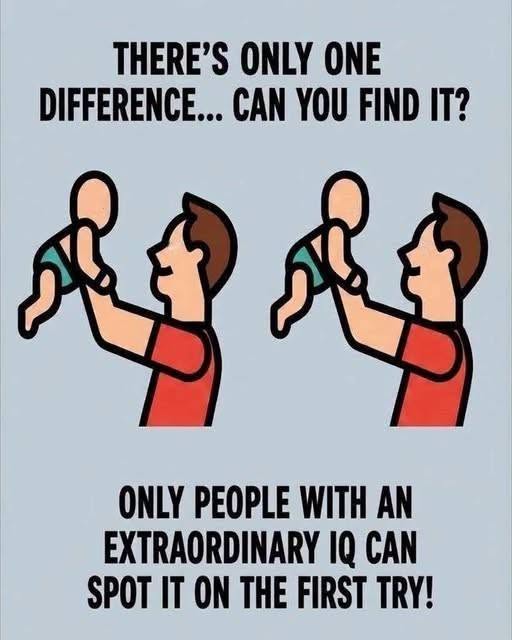
At first glance, two pictures may appear completely identical. Their colors, shapes, objects, and overall arrangements seem to match perfectly. Many people take only a few seconds to look at them before confidently deciding that nothing has changed.
But sometimes, the smallest details make the biggest difference.
Hidden somewhere between the two images is a tiny alteration that can easily escape an untrained eye. Finding it requires patience, concentration, and the ability to pay attention to details that might otherwise go unnoticed.
These visual puzzles have become a popular form of entertainment for people of different ages. They offer a simple challenge that can turn an ordinary moment into an enjoyable test of observation.
1. Why Are Spot-the-Difference Puzzles So Popular?
Spot-the-difference puzzles have been entertaining readers for generations. They are easy to understand, require no special equipment, and can be enjoyed almost anywhere.
The concept is straightforward: two images are placed next to each other, and the viewer must identify the differences between them.
Some puzzles contain several changes, while others hide just one small detail.
The simplicity of the challenge is part of its appeal. Anyone can participate, regardless of age or previous experience with puzzles.
People often enjoy sharing these challenges with friends and family to see who can discover the hidden detail first.
2. The Smallest Details Can Be the Hardest to Notice
One reason these puzzles can be surprisingly challenging is that our eyes naturally focus on the larger elements of an image.
When two pictures contain the same main objects and colors, the brain may quickly assume that they are identical.
As a result, a small change in the background, a missing object, or a slightly different shape can remain unnoticed.
The difference might involve something as simple as:
-
A small object appearing in one picture but not the other.
-
A slightly different color in a particular area.
-
A missing line or decorative detail.
-
A change in the position of an object.
-
A small shape that has been modified.
These details may seem insignificant individually, but they are exactly what makes the challenge interesting.
3. How to Improve Your Observation Skills
For Complete Cooking STEPS Please Head On Over To Next Page Or Open button (>)