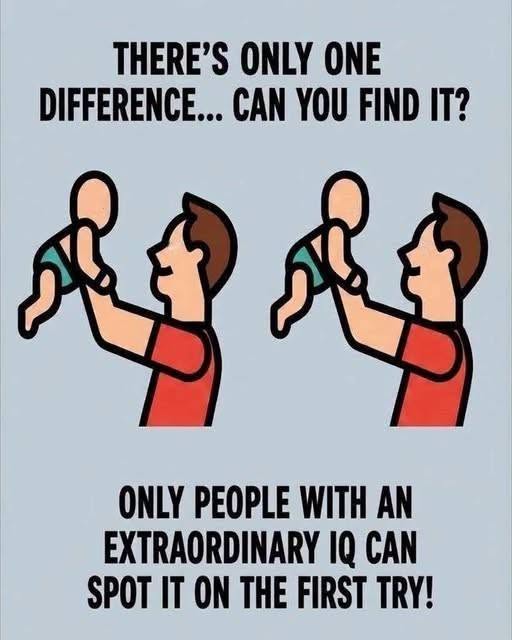
Finding a hidden difference does not always require exceptional eyesight. A systematic approach can make the task easier.
Here are a few useful techniques:
Start with the overall image.
Look at both pictures together and notice their general composition. Identify the main objects, colors, and background elements.
Compare one section at a time.
Instead of looking randomly from one area to another, divide the pictures mentally into smaller sections. Examine the top, middle, and bottom areas separately.
Pay attention to the background.
Many people focus only on the main objects. However, small differences are frequently hidden in less noticeable areas.
Look for unusual details.
A slightly different shape, missing mark, or unexpected color can reveal the answer.
Take your time.
There is no need to rush. A careful comparison is often more effective than repeatedly glancing at the images.
4. Why Our Brains Sometimes Miss Obvious Changes
Human vision is an impressive ability, but it does not process every detail in a scene equally.
Our attention tends to prioritize information that appears important. When looking at familiar or nearly identical pictures, we may overlook small changes because we are concentrating on the overall appearance.
Psychologists have studied a phenomenon known as change blindness. It describes situations in which people fail to notice changes in a visual scene, particularly when those changes occur alongside interruptions or shifts in attention.
This helps explain why even a simple picture puzzle can sometimes be more difficult than expected.
The difference may be visible, but noticing it requires focused attention.
5. A Fun Challenge for Friends and Family
One of the best things about visual puzzles is that they can easily become a shared activity.
Families can compare answers, friends can compete to find the detail first, and children can enjoy practicing careful observation.
These challenges can also provide a pleasant break from everyday routines. Instead of scrolling continuously through social media, viewers can spend a few moments concentrating on a simple and entertaining task.
There is no complicated preparation involved, making these puzzles suitable for short breaks, family activities, or casual competitions.
6. What Makes a Good Spot-the-Difference Puzzle?
A well-designed visual puzzle should be challenging without being impossible.
If the difference is too obvious, viewers may find the activity uninteresting. On the other hand, if the change is almost impossible to recognize, the experience can become frustrating.
The most enjoyable puzzles usually contain familiar objects, similar colors, and carefully placed details.
The hidden change should be small enough to require attention but visible enough that viewers can eventually discover it.
This balance is what keeps people interested and encourages them to try more puzzles.
7. The Secret Is to Look Beyond the Obvious
When comparing two nearly identical images, the most important lesson is not to assume that everything matches simply because the pictures look similar.
A small difference can hide in an unexpected corner, along an object’s outline, or within an ordinary background detail.
Taking a moment to examine each section carefully can make the challenge much easier.
And even if the answer is not immediately obvious, the process of searching is part of the fun.
Conclusion: Can You Find the Hidden Difference?
At first glance, the two pictures may seem exactly alike. Their familiar shapes, matching colors, and similar arrangements make the challenge appear simple.
However, one altered detail changes everything.
Whether you discover it immediately or need several attempts, this little visual challenge is a reminder that careful observation can reveal things that a quick glance might miss.
So take another look, compare the details, and see whether your eyes can catch what others overlook.
For Complete Cooking STEPS Please Head On Over To Next Page Or Open button (>)